


Tinnitus Management
Many people experience tinnitus at some point in their lives. For some, it is little more than an occasional background sound. For others, it can become frustrating, distracting, or affect sleep, concentration, and quality of life. The good news is that our understanding of tinnitus has advanced considerably over the past few decades. Modern research shows that tinnitus is not simply an ear problem—it involves the hearing system, the brain, and the way the brain responds to sound. Understanding these processes is the foundation of effective tinnitus assessment and management. This guide explains what tinnitus is, why it becomes bothersome for some people, how it is assessed, and the evidence-based approaches we make available to help you better understand and manage tinnitus.
What is Tinnitus?

Tinnitus is the perception of sound without an external source, in clinical terms many use the term, “phantom sound” because we cannot see where it is coming from. People commonly describe it as ringing, buzzing, hissing, humming, whistling, or roaring, although the sound varies considerably from person to person. It may be heard in one ear, both ears, or somewhere within the head, and it can be constant or intermittent.
Tinnitus is remarkably common. For many people it is little more than an occasional awareness of sound. For others, it becomes intrusive, affecting concentration, sleep, communication, and overall quality of life.
Importantly, tinnitus is not a disease itself. It is a symptom that reflects changes occurring somewhere within the hearing system or the way the brain processes sound. There are many triggers. While tinnitus is frequently associated with hearing loss, it can also occur following noise exposure, ear disease, certain medications, or other medical conditions. Understanding more about tinnitus is the first step towards identifying the most appropriate management approach.
Why Does Tinnitus Become Bothersome?

One of the most important pieces of work in tinnitus research came from Professor Pawel Jastreboff's Neurophysiological Model of Tinnitus. Rather than viewing tinnitus as a problem within the ear alone, this model explains why some people hardly notice their tinnitus while others find it distressing.
The sound of tinnitus is only one part of the experience. What determines whether tinnitus becomes bothersome is largely how the brain responds to it.
The brain is constantly filtering sensory information, deciding what deserves our attention and what can safely be ignored. Most everyday sounds—such as the hum of a refrigerator, distant traffic, or the feeling of clothing against the skin—are filtered into the background because the brain recognises them as unimportant.
Tinnitus can become different when the brain interprets the sound as significant or potentially threatening. This is when the limbic systems and autonomic nervous systems connect and attribute a stress response to tinnitus. Once this occurs, the brain begins monitoring it more closely. The more attention it receives, the more noticeable it becomes, creating a cycle in which awareness and concern reinforce one another.
Understanding this process is reassuring for many people. It explains why tinnitus often fluctuates, why stress can make it seem louder, and why effective tinnitus management focuses not only on the sound itself but also on changing the brain's response to it. Please read further as we discuss these issues in relation to treatment.
The Brain's Alarm System
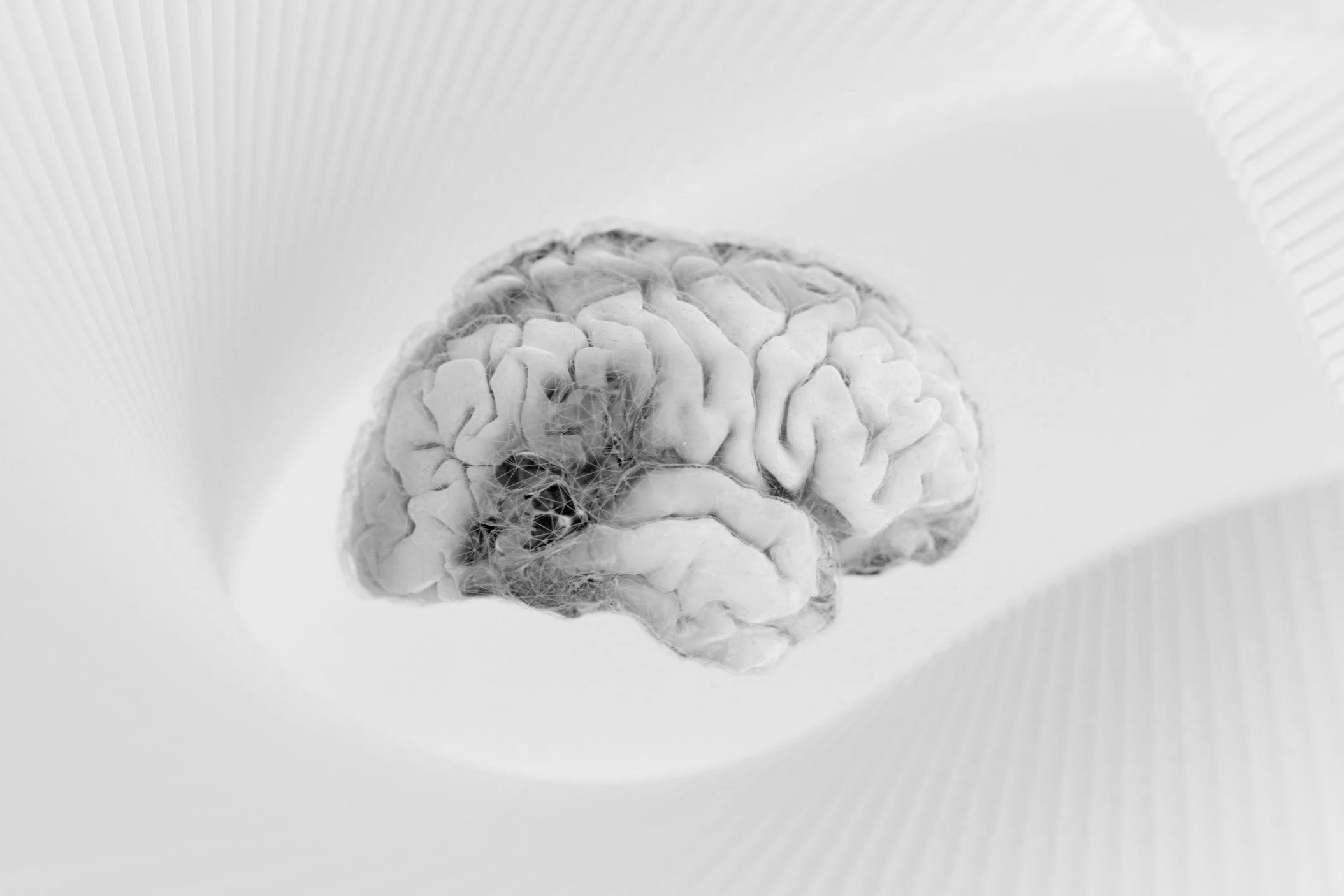
The brain contains systems that help keep us safe by constantly monitoring for potential threats. Two of these are particularly relevant to tinnitus.
The limbic system is involved in emotion, memory, and the meaning we attach to experiences. The autonomic nervous system controls the body's automatic stress response, including changes in heart rate, breathing, muscle tension, and alertness.
If tinnitus is interpreted as something dangerous, frustrating, or uncontrollable, these systems can become engaged. The sound itself has not changed, but the brain reacts as though it requires ongoing attention. This heightened state of awareness can make tinnitus seem louder, more intrusive, and more difficult to ignore.
Over time, this cycle may affect sleep, concentration, mood, and overall wellbeing. Fortunately, the opposite can also occur. As the brain learns that tinnitus does not represent a threat, it often becomes less noticeable. Many people find they are aware of their tinnitus less frequently, even though the sound itself may not have disappeared completely.
This process is known as habituation—the brain's natural ability to filter out signals that are no longer considered important.
Tinnitus & Brain Health

Hearing is one of the brain's most important sources of sensory information. When hearing changes, the brain adapts. In some people, these adaptations are thought to contribute to the perception of tinnitus.
Looking after hearing health is therefore also an important part of supporting brain health. Identifying hearing loss early, maintaining access to meaningful sound, protecting your ears from excessive noise, staying socially engaged, sleeping well, and managing stress all contribute to healthy auditory function.
Many people with tinnitus also have hearing loss, sometimes so mild that it has not yet affected everyday conversation. Identifying and appropriately managing these hearing changes can reduce listening effort and improve access to sound, which may lessen the prominence of tinnitus for some clients.
Rather than focusing solely on eliminating tinnitus, modern management aims to optimise the overall health of the auditory system and help the brain process sound as efficiently and comfortably as possible.
Why We Test Beyond Standard Hearing Tests

Many people are surprised to learn that a standard hearing test does not measure the full range of hearing. Conventional hearing assessments typically evaluate hearing between 250 Hz and 8,000 Hz, which includes the frequencies most important for understanding speech. While this range is appropriate for many hearing assessments, it does not include the highest frequencies that healthy ears are capable of hearing.
Research over recent years has shown that many people with tinnitus have hearing impairment above 8,000 Hz, even when their conventional hearing test appears normal. We often hear from clients that results can be very confusing - a normal audiogram yet significant issues with tinnitus. These changes may not yet affect everyday speech understanding, but they can provide valuable information about the health of the inner ear and help explain why tinnitus is present.
For this reason, Deane Audiology has invested in extended high-frequency audiometry, allowing hearing to be assessed well beyond the limits of a standard hearing test. This provides a more comprehensive picture of auditory function and may identify early cochlear changes that would otherwise remain undetected.
Extended high-frequency testing is not performed because it changes every tinnitus treatment recommendation. Rather, it allows us to develop a more complete understanding of your hearing system and identify patterns that may contribute to your tinnitus. When combined with your hearing history, lifestyle, noise exposure, speech understanding, and other clinical findings, it helps ensure our recommendations are based on the fullest possible picture of your hearing health.
Extended high-frequency hearing is often the first region of the cochlea to show changes from ageing, noise exposure, and some medications, making it a valuable indicator of early cochlear health. This approach reflects our philosophy that successful tinnitus management begins with careful assessment rather than assumptions. The more accurately we understand how your hearing system is functioning, the better equipped we are to explain your tinnitus, answer your questions, and develop an individualised management plan based on current clinical evidence.
Modern Tinnitus Management: A Personalised Approach

There is no single treatment that is appropriate for everyone with tinnitus because no two people experience tinnitus in exactly the same way. Modern tinnitus management recognises that the most effective approach is often a personalised combination of strategies designed to address the hearing system, the brain's response to tinnitus, and the practical challenges it creates in everyday life.
For many people, the first and most important step is understanding tinnitus. Learning why tinnitus occurs and how the brain responds to it can significantly reduce uncertainty and anxiety. Clear explanations, realistic expectations, and professional counselling are therefore considered an important part of evidence-based tinnitus management.
Where hearing loss is present, appropriately fitted hearing aids can play a valuable role. By improving access to everyday sounds and reducing listening effort, hearing aids may help make tinnitus less noticeable for some people while also improving communication and overall hearing function.
For individuals whose tinnitus is significantly affecting mood, sleep, stress, or quality of life, psychological approaches may also be recommended. Techniques such as Cognitive Behavioural Therapy (CBT) have strong evidence for helping people reduce the distress associated with tinnitus, even though they do not eliminate the tinnitus sound itself. The goal is to change the way the brain responds to tinnitus, making it less intrusive over time.
Many people also benefit from self-management strategies. Improving sleep, managing stress, maintaining physical activity, protecting hearing from excessive noise, reducing listening fatigue, and staying socially engaged all support overall brain and hearing health. These strategies help create an environment in which the brain is more able to adapt and reduce the prominence of tinnitus.
At Deane Audiology, we view tinnitus management as a process rather than a single treatment. By combining comprehensive assessment, evidence-based counselling, hearing rehabilitation where appropriate, and collaboration with other healthcare professionals when needed, we aim to provide an individualised management plan that reflects your symptoms, your goals, and the latest clinical evidence. This is what’s called a multi-modal approach to tinnitus management.
For many people, success is not measured by whether tinnitus disappears completely, but by reaching a point where it becomes less intrusive, requires less attention, and has far less impact on everyday life. And we can proudly say that we have several clients whom are now experiencing exactly this relief. Not everyone, but many do now have substantial relief.
The Reason for Optimism

For many people, the word tinnitus is accompanied by uncertainty. They worry that the sound will continue to worsen, that it signals something sinister, that nothing can be done, or that they will simply have to "learn to live with it." Fortunately, our understanding of tinnitus has changed considerably, and so has the way it is managed.
While there is currently no universal cure for tinnitus, there is strong evidence that many people experience significant improvement in how much tinnitus affects their daily lives. The goal of modern tinnitus management is not necessarily to eliminate the sound, but to reduce its prominence, lessen the distress it causes, and help it become an unimportant background sensation rather than the centre of your attention.
One of the brain's greatest strengths is its ability to adapt. Every day, your brain filters out thousands of unimportant sensations—from the feeling of your clothes against your skin to the sound of the refrigerator running in the next room. Through a process known as habituation, the brain can often learn to treat tinnitus in a similar way, allowing it to fade into the background of conscious awareness.
This process takes time and is different for every individual. It is influenced by many factors, including hearing health, stress levels, sleep quality, emotional wellbeing, physical and mental wellbeing, and access to appropriate clinical support. There is rarely a single solution, but there are many evidence-based strategies that can work together to reduce the impact of tinnitus and help you regain confidence in everyday life.
At Deane Audiology, our role is not simply to assess your hearing—it is to help you understand your tinnitus, answer your questions, and guide you through a management plan tailored to your individual needs. We believe that knowledge reduces uncertainty, careful assessment informs better decisions, and personalised care provides the greatest opportunity for long-term success.
For many people, the most meaningful milestone is the day they realise it is no longer controlling their thoughts, disrupting their sleep, or preventing them from enjoying the conversations, activities, and moments that matter most.
Matthews tinnitus story…

"When “Matthew” first attended Deane Audiology, his tinnitus dominated every moment of the day - the busy ones and the quiet ones. He was sleeping poorly, constantly monitoring the sound, and worried it would continue to worsen. His wife had noticed changes in his general mood and motivation levels so she attended the appointment with him. Following a comprehensive assessment, hearing rehabilitation plan, education about tinnitus, and practical management strategies, Matthew’s tinnitus did not disappear, but his reaction to it changed and the impact on his life substantially lessened. Six months later, he describes it as 'still there if I listen for it, but it’s no longer running my life.' He returned to socialising, was sleeping much better, and his wife said “I’ve got my husband back”.
Matthew rarely thinks about tinnitus during the day now."
- Rachel Deane Audiologist
“I’ve got my husband back. We’re going out together again and he’s not as tired. I’m so grateful.”
– “Matthews” wife